
By Maya Ellison ·
Dermaplaning Benefits: What It Really Does for Your Skin
Dermaplaning has a loyal following for a reason: the results show up immediately. You can see and feel the difference the moment you finish. But there is also a lot of hype and a couple of stubborn myths floating around, so this article separates the genuine, benefits from the claims that do not hold up.

Instantly smoother skin
The headline benefit is texture. By skimming off the layer of dull, dead cells sitting on the surface along with fine vellus hair, dermaplaning leaves skin noticeably softer to the touch and brighter to the eye. This is why people run their fingertips over their cheek and grin right after. It is not a permanent change to your skin: it is a fresh surface, and that surface catches and reflects light more evenly.
If you want the smoothest possible result, technique matters as much as the tool. The full method is in how to dermaplane at home, and the short version is clean, dry skin, a 45-degree angle and light downward strokes.
Removes peach fuzz
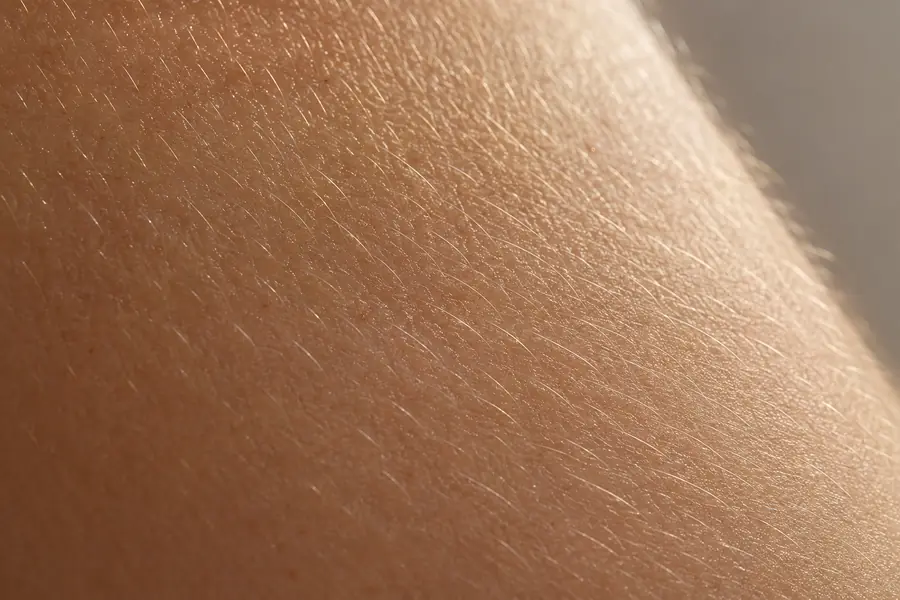
Peach fuzz, the soft vellus hair that lightly covers the cheeks, jaw and upper lip, is the reason many people try dermaplaning in the first place. That fine hair can trap product and make foundation look slightly fluffy in photos. Removing it gives a cleaner, more polished finish. A dermaplane razor is designed exactly for this fine facial hair, unlike a body razor built for coarser hair on larger areas.
A better makeup base
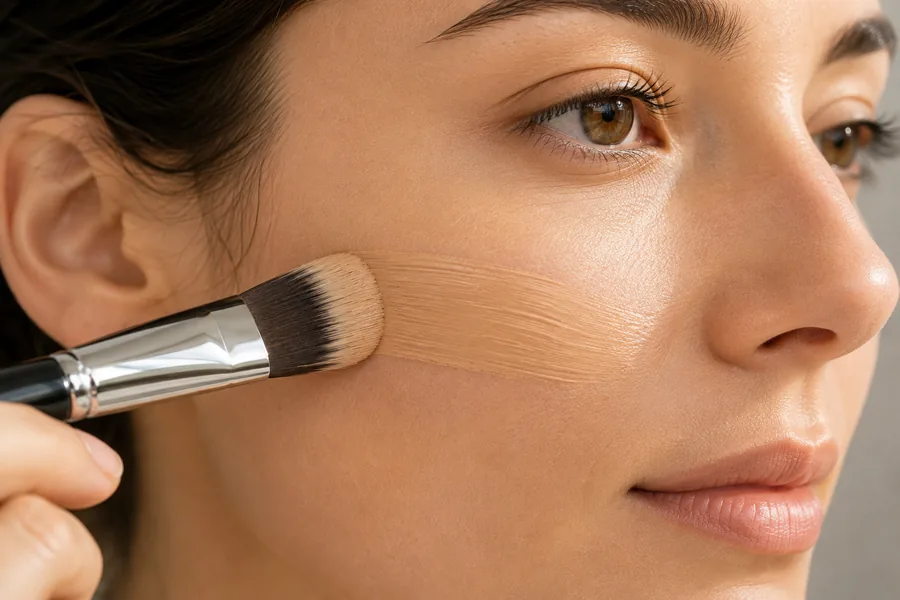
Ask anyone who dermaplanes regularly what keeps them doing it, and makeup usually comes up first. With the fuzz and flakes gone, foundation and concealer sit flat instead of clinging to hair or catching on dry patches. The result is smoother makeup application and a finish that photographs cleaner. Even if you wear very little makeup, tinted moisturizer and SPF glide on more evenly too.
Gentle physical exfoliation
Dermaplaning is a form of physical, or manual, exfoliation. Instead of using acids or grains, the blade physically lifts away dead surface cells. Dermatologists commonly describe it this way, as mechanical exfoliation of the outermost skin layer. Because it clears that dull top layer, the skincare you apply afterward can absorb more evenly. Just keep strong actives for another day, since freshly exfoliated skin can be sensitive to them.
The regrowth myth, debunked
This is the myth that refuses to die, so let us settle it clearly. Shaving or dermaplaning your face does not make hair grow back thicker, darker or faster. That is not how hair works.
Cutting a hair at the skin's surface does nothing to the follicle below the skin, and the follicle is what determines a hair's thickness and color. What actually happens is that regrowth is cut straight across, so the blunt tip can feel a little coarse compared with the naturally tapered end you shaved off. That is a texture illusion for a day or two, not thicker hair. The hair returns at the exact same thickness it was before.
| The claim | The reality |
|---|---|
| Hair grows back thicker | False. The follicle is untouched, so thickness is unchanged. |
| Hair grows back darker | False. Color is set at the follicle, not the cut end. |
| Regrowth feels coarse | Briefly, yes. A blunt cut tip can feel stubbly for a day or two. |
| It removes hair permanently | False. This is temporary hair removal, not permanent. |
So dermaplaning is temporary. The fuzz returns on its usual cycle, unchanged, which is exactly why it fits into a routine every week or two rather than being a one-time fix.
What dermaplaning reaches
Being fair about what dermaplaning does not do matters just as much as the benefits. It will not clear breakouts, and passing a blade over active, inflamed spots can irritate the skin and spread bacteria, so you should work around blemishes or wait until they calm. It does not erase deep lines or replace professional skin treatments, and it is not a substitute for medical advice. If your skin is reactive or you have a condition affecting the area, check with a professional first. The full breakdown of who should skip it lives in is dermaplaning safe.
How often for best results
Once a week to once every two weeks suits most people. That rhythm keeps peach fuzz away and maintains the smooth finish without over-exfoliating. If your skin ever feels tight or looks flushed, space it out. Consistency at a comfortable interval beats doing it constantly, and how often should you dermaplane sets a starting rhythm for each skin type.
The tool you choose affects how easy this is to keep up. Manual razors give you the most control, while the electric dermaplane tool offers a quicker, motorized pass. If you are deciding between options, the best dermaplane razor guide lays out what actually matters, and dermaplane vs shaving explains why a facial razor is not the same as a body razor.
The takeaway is simple. Dermaplaning gives you real, visible benefits at the surface: smoother skin, no fuzz, better makeup and a light exfoliating glow. It does not change your hair, fix a skin condition or replace a dermatologist. Used with that honest frame, it is one of the most satisfying five-minute steps you can add to a routine. Curious what real users say? The reviews page has their notes, and the same tool works as a facial razor for women and an eyebrow razor in one.
Maya Ellison · Beauty writer & at-home dermaplaning enthusiast
Maya has tested dozens of facial razors and writes practical, honest at-home skincare guides. She is not a dermatologist, so for any medical skin concern she points readers to a professional.